Genioplasty: Lea´s Inspiring Result
Genioplasty is one of those procedures in Facial Feminization Surgery that can sound rather minor until the chin in question happens to be yours. Then it becomes extremely interesting.
Lea´s inspiring story can help others know what to expect. People usually notice their chin because of the way it affects the rest of the face.
It may feel too heavy from the front, disappear in the profile or simply make the lower face look different from the way they would like.
And sometimes the person cannot explain it at all. They just know that when they turn sideways in a photograph, something bothers them. That uncertainty is actually a very reasonable starting point.
Genioplasty: A Real Story Behind the Chin
Lea, who travelled from the UK to Spain for surgery, the process eventually ended with something wonderfully ordinary: a new WhatsApp profile picture.
We spotted it. Naturally, we commented. “Nice chin girl!“Lea replied:“Thanks you mean my profile pic ? Yes I’m very pleased with the result X”
Not exactly a formal patient satisfaction survey. Possibly better.
That short exchange happened months after Facial Feminization Surgery, once Lea had lived with the result and the intense part of recovery was behind her. Getting there took a little longer.
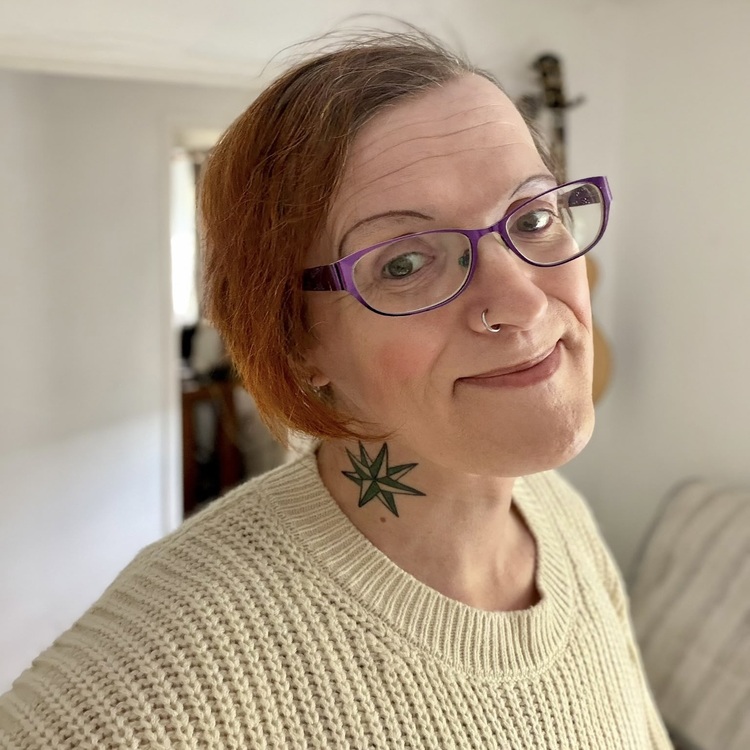
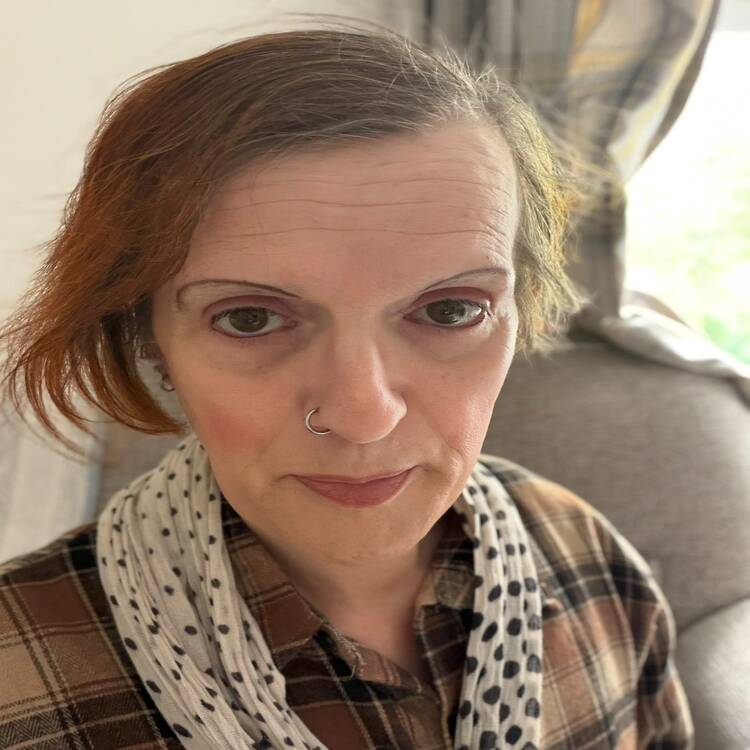
(Lea´s Before Chin Reduction Below)
What Is Genioplasty Actually?
Genioplasty is surgery performed on the chin to alter its shape or position. When bone is repositioned, you will often hear the term sliding genioplasty.
A section of the chin bone is carefully cut, moved according to the surgical plan and fixed in its new position while it heals.
The operation is very adaptable because different people need very different corrections.
Someone may have a chin that looks broad from the front but projects perfectly well from the side. Another person may like the width of their chin but feel that it sits too far backwards in profile.
That is why talking about “chin reduction” alone does not really describe what genioplasty can do. For feminizing genioplasty, the surgeon is looking at proportion rather than simply removing as much bone as possible.
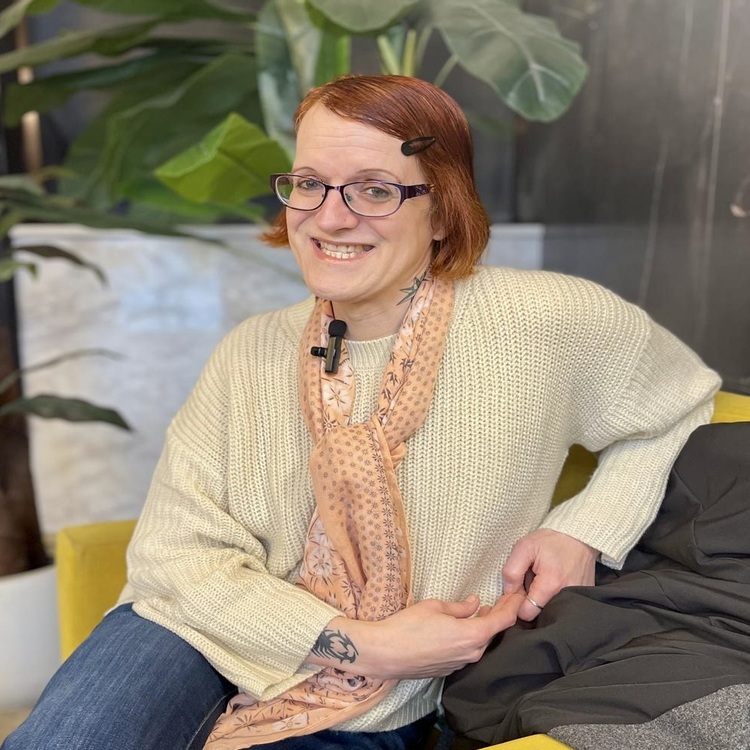
(Lea´s After Result after Mentoplasty Below)
Why We Are Calling It Genioplasty?
You will see both genioplasty and mentoplasty used online. In practice, however, people discussing bony chin surgery in patient forums tend to talk about genioplasty, particularly sliding genioplasty.
That is also the terminology you are much more likely to encounter when reading medical research about repositioning the chin bone. Mentoplasty is still a useful secondary term, and some clinics, surgeons and patients use it.
However, if you have already spent time on Reddit researching chin surgery, chances are you have been reading about genioplasty or chin reduction without thinking twice about the terminology and perhaps also reading far more Reddit than you originally intended. That tends to happen.
(Lea´s After Result after Mentoplasty Above)
Why Such a Small Area Can Affect the Whole Profile
The chin occupies relatively little space on the face, yet its position can influence how several neighboring features are perceived.
A recessed chin, for example, can make the nose appear more prominent in profile even if the nose itself is perfectly proportionate. A broad chin may make the lower face feel heavier from the front.
The relationship between the chin and upper neck can also look quite different depending on how far forwards the chin projects. This is why specialists do not assess genioplasty by looking at the chin in isolation.
The question is not simply whether the chin is large or small. The useful question is whether its proportions work with the rest of the face.
(Lea´s After Genioplasty-Chin Reduction Below)
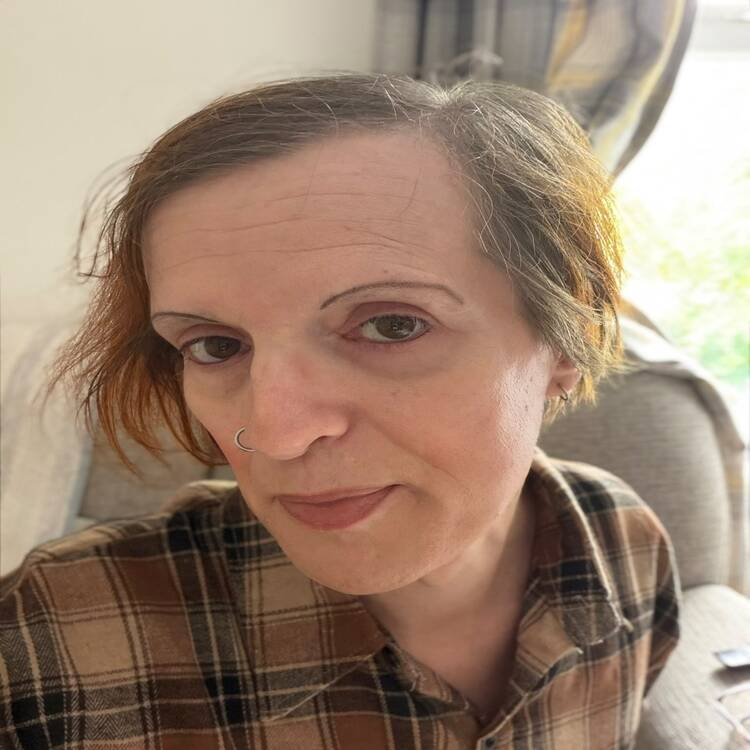
Something About My Profile Bothers Me
Patients often assume they should arrive at a consultation with the operation already chosen. In reality, that can make things more complicated.
You may have spent months convinced that you need genioplasty when the feature creating most of the imbalance is somewhere else or the chin may genuinely be contributing, just not in the way you thought.
A very useful sentence during a consultation is simply: “I don’t like my profile, but I’m not completely sure what is causing it.”
That gives the surgeon room to assess the actual anatomy. The internet is excellent for teaching you vocabulary. It is slightly less reliable at diagnosing your face.
The Reddit Effect
Researching genioplasty online is a curious experience. At first, you are simply looking for information. Then somebody mentions a recessed chin. Someone else talks about a sliding genioplasty and someone else discusses T-osteotomy.
Then a person posts a photograph two weeks after surgery and becomes convinced their chin is too wide. By midnight you may have opinions about mandibular angles that you did not possess at lunchtime.
Patient Forums Are Genuinely Valuable
They give people access to experiences that traditional medical pages often leave out: what swelling feels like, when people started eating normally, how long numbness lasted, whether they panicked during the first few weeks.
The difficulty begins when someone else’s operation starts becoming a blueprint for your own. Their face is not yours. Their anatomy is not yours and their surgical plan should not automatically become yours.

Lea’s Journey to Spain
Lea travelled from the UK to Spain for surgery and remained in contact with us throughout the process. Safe Rebirth helped coordinate the practical side surrounding her medical treatment.
That means helping international patients communicate with the surgical team, organize consultations, prepare for surgery and manage the logistics around travelling abroad for treatment.
After surgery, that support tends to become particularly important. It is one thing to research an operation from home.
It is another to wake up afterwards in a different country and realise you now have questions you did not think to ask beforehand. Patients rarely run out of questions after facial surgery. The mirror alone can generate several per hour.
(Lea´s Before Chin Reduction Picture Below)
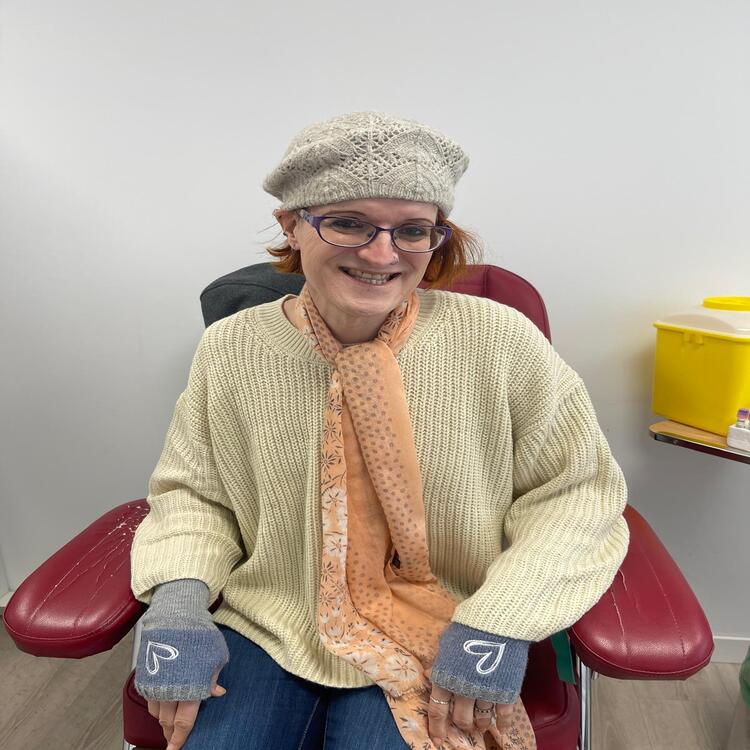
Surgery Day, According to Lea
Lea’s first message after surgery was refreshingly straightforward: “I’ve got pain and also can’t talk but otherwise ok, muchas gracias.” There is no attempt to make surgery sound beautiful. She was sore.
Later she sent another message: “Btw the surgeons were really lovely to me.” It sounds like a small observation. It is not.
When you travel abroad for surgery, the relationship with the medical team matters enormously. You are putting yourself into a very vulnerable situation, often without family or your usual support network physically beside you.
Technical expertise is essential, but feeling safe and treated kindly matters too.
The Next Morning Looked Rather Different
The day after surgery, Lea wrote :“I’m feeling fine although lots of inflammation.” This is probably one of the most realistic sentences anyone can write after facial surgery because feeling reasonably well does not mean looking normal.
Genioplasty involves operating directly on the bone, and swelling around the lower face is part of the early healing process. Before surgery, people know this because they have usually been warned, but it still comes as a shock when the swelling belongs to them.
This is also one of the reasons very early before-and-after photographs can be misleading. At that stage, you are not looking at the final result, rather at a face recovering from an operation.
Why Early Genioplasty Photos Cause So Much Anxiety
If you read enough patient discussions about genioplasty, you will notice a recurring theme. Someone posts a photograph shortly after surgery and worries that the chin now looks too square, too broad or simply wrong. The concern is understandable.
Surgery involves giving up control for a while, and that is difficult when the thing being changed is your face, but swelling can distort the lower face considerably and can also settle unevenly.
One side may look slightly different from the other during recovery without that difference representing the outcome.
This does not mean every concern should be dismissed. If something does not feel right, the medical team needs to know, but it simply means that the first few postoperative days are a very poor moment to decide whether you like your final chin.
The First Good News
A few days later, Lea updated us: “I’m feeling well a little pain but not much. I saw the Doc and he said my wounds are healing well.” This is the type of postoperative news everybody wants.
Nothing spectacular or dramatic. Healing was progressing. The pain was becoming more manageable and she had been checked by the doctor.
Recovery is often much less cinematic than surgery itself. Most of it is made up of small improvements that are almost boring individually. Boring is excellent because it means that ordinary life is slowly beginning to return.
Feminizing Genioplasty Is Not About Making Every Chin Smaller
One misconception comes up repeatedly when people research chin feminization. They assume a feminine chin must always be smaller. It is more complicated than that.
A person can have a chin that is relatively narrow from the front yet sits too far backwards when viewed from the side.
Reducing it further would obviously not improve the profile. In that situation, the surgeon may consider advancing the chin.
Another patient may have good projection but want less width. Someone else may have too much vertical length.
Genioplasty works best when the surgeon identifies the actual reason the chin feels out of balance instead of applying one standard idea of what a feminine chin should look like.
There Is No Standard Feminine Chin
Faces would become rather strange if every patient received the same little pointed chin. Fortunately, that is not how good facial surgery works.
The appropriate shape depends on the dimensions already present in the face and on what the patient actually wants.
A chin that looks beautiful on one person could look completely out of place on another. That is why copying a result from Instagram or Reddit is not particularly useful as a surgical plan.
A photograph can help explain what you like, but it cannot tell the surgeon what your own bone structure requires. The aim is not to manufacture a generic feminine face. It is to make a change that still looks as though it belongs to you.

Front View and Profile View Matter Equally
One of the most useful things about genioplasty planning is looking at the face from more than one direction. Sometimes a patient dislikes their profile while being perfectly happy with the front view.
That information changes the discussion. If the chin already has a good width from the front, the surgeon may want to preserve that while improving projection from the side.
This is where techniques that move the patient’s own bone can become particularly interesting. It is also why an assessment based on one selfie angle is not enough.
Real faces have an inconvenient habit of existing in three dimensions.
Lea Became Worried About One Side
As Lea continued healing, she noticed some looseness on one side. She told us:
“My healing is going well. I’m just a little worried about looseness on one side but the Dr’s have said not to worry and it should correct with healing.” That message captures a very normal part of recovery.
You can trust what your doctors have told you and still find yourself watching the area closely. Knowing intellectually that the body is healing does not make you stop noticing every tiny difference.
When the surgery involves your face, people become extraordinarily observant. Things that would previously have escaped attention suddenly deserve detailed analysis under three different types of lighting.
Being Careful With the Healing Bone
Lea was taking her recovery seriously. At this point, the operation itself was over. The difficult part was allowing the body to do its work. That can be frustrating.
Patients spend so much time making decisions before surgery that recovery can feel oddly passive afterwards. You follow your instructions, attend reviews, look after the area and you wait. There is no clever shortcut for bone healing, unfortunately.
If someone invents one, facial surgery patients everywhere will be delighted.
One Month After Genioplasty
About a month later, we checked in again. Lea said: “I’m doing fine healing going ok although still a bit numb and swollen.” This is a useful snapshot of real recovery because there is nothing dramatic about it.
She felt fine and healing was moving forward and some swelling and numbness remained.
The process was not finished simply because several weeks had passed. Recovery rarely behaves like one of those beautifully designed medical timelines where every symptom disappears precisely on the correct Tuesday. The body is less interested in graphic design.
Numbness After Genioplasty
Numbness or altered sensation around the chin and lower lip can occur after bony chin surgery because important sensory nerves run close to the surgical area.
It is one of the issues surgeons consider when planning genioplasty and one of the potential risks that patients need to understand beforehand.
Lea continued to notice some numbness later in her recovery. Safe Rebirth helped organize further follow-up so she could discuss it directly with the medical team.
Afterwards, she told us: “I asked the Doc about the numbness that I still have in my chin. She said it’s normal and will improve.” That advice applied to Lea’s own recovery.
Another patient’s numbness needs its own medical assessment. If something concerns you after surgery, ask. A stranger’s experience online can be reassuring, but it cannot examine you.
Wanting to Skip Straight to the Final Result
Lea was understandably eager to see where all this was heading. She told us: “I’m looking forward to going home but even more to being healed and seeing the final results.” That feeling is difficult to avoid.
You have probably imagined your postoperative face for months. Once the surgery has happened, waiting for everything to settle can feel surprisingly long and the temptation is to assess progress constantly, but genioplasty recovery does not reveal the final shape all at once.
Swelling gradually reduces, the tissues adapt and the lower face starts looking more familiar again. At some point, you stop seeing “postoperative chin” every time you look in the mirror and you simply see yourself.
Four Months Later, Life Was Becoming Normal Again
By the end of May, Lea’s updates had become reassuringly uneventful. She mentioned: “All is well thanks! My healing has been going well I think.”
At the beginning of recovery, surgery tends to dominate the day. You are constantly aware of medication, swelling, food, wounds, appointments and how your face feels.
Later, ordinary life starts taking back the space surgery occupied. You go longer without thinking about your chin.
The next check-up no longer feels like the most important event of the week. That change is easy to overlook, but it is often one of the nicest milestones. Surgery becomes something you had rather than something you are still actively living through.
Four Months Sound Very Different Before and After Surgery
Lea already knew that healing would not be immediate. She stated “Yes I know it will take around 4 months altogether to see the final result.” Four months sounds perfectly reasonable when surgery is still in the future.
It feels rather longer when you are waiting to see your own face settle. This is worth remembering when looking at online results.
A patient three weeks into recovery should not be comparing their chin with somebody photographed a year after surgery.
The timelines are completely different. Unfortunately, social media places those photographs side by side without supplying much context and your nervous system then takes care of the rest.
And Then We Saw the Profile Picture
A few months later, Lea changed her WhatsApp photo . There was no dramatic reveal. No carefully staged testimonial.
Just a patient months after surgery, living her life and liking the result enough to use that profile in her photograph. For us, that made the exchange particularly nice. The chin that had occupied so much attention during recovery had simply become part of her face again.
What Made Lea’s Result Right for Lea?
The important part of Lea’s story is not that somebody else should ask for the same genioplasty. It is the opposite. Her result belonged to her face.
Good chin feminization should respect the existing facial structure rather than trying to impose one standard shape. Some people want a softer lower face, others care mainly about the profile, for some, the issue is projection and for others, genioplasty may not be the right procedure at all.
The consultation is where those differences should be identified. A surgeon is not choosing from a catalogue of feminine chins.
Can Genioplasty Change the Neck Profile?
Chin position can influence how the upper neck appears in profile, particularly when a recessed chin is advanced. That does not mean genioplasty is neck surgery.
The contour beneath the chin depends on bone structure, skin, fat, muscle and individual anatomy. If a patient’s main concern is actually loose tissue or the neck itself, moving the chin cannot be expected to fix everything.
This is another reason profile assessment matters. Sometimes two areas look connected in a photograph while requiring completely different approaches surgically. Knowing what not to operate on can be just as important as knowing what to change.
More Surgery Does Not Automatically Mean Better FFS
Once people start researching facial procedures, it can become surprisingly easy to keep adding things. If you are already considering the chin, perhaps the jaw should be changed too,and while we are here, what about the nose?
This is not how good surgical planning should work. Facial feminization is an umbrella term for different procedures, not a requirement to operate on every feature that could theoretically be altered.
A patient may need several procedures, another may achieve the change they want with one targeted operation. The objective is not maximum surgery. It is appropriate surgery.
What Patients on Reddit Get Right About Genioplasty
Patient communities are particularly valuable when they talk about the emotional side of recovery. The anxiety in the early weeks is real.
People question swelling,inspect asymmetry, worry that the shape looks different from what they expected or wonder whether the operation was a mistake.
Someone who has already been through the same recovery can sometimes say exactly what that person needs to hear. Give it time, that support matters, but online communities work best alongside medical follow-up, not instead of it.
Reddit is very useful for discovering questions you had not thought to ask, but it should probably not be allowed to perform your postoperative examination.
What Does Genioplasty Recovery Usually Involve?
Recovery varies according to the exact procedure, whether genioplasty was combined with other operations and how the individual heals.
Swelling and bruising are common during the early phase, because sliding genioplasty is often performed through an incision inside the mouth, patients may also need to modify what they eat while the area heals.
The surgical team will normally provide instructions regarding oral hygiene, medication, diet and follow-up. Those instructions should take priority over somebody else’s recovery routine online.
It is tempting to compare, but another person’s postoperative day twelve tells you surprisingly little about what your own day twelve should look like.
Does Genioplasty Leave a Visible Scar?
Sliding genioplasty can commonly be performed through an incision inside the mouth. Sates Dr. Herrero. This means there does not necessarily need to be a visible external scar underneath the chin from the genioplasty itself.
The intraoral approach does mean that oral hygiene becomes particularly important. Your mouth is not exactly known for being a pristine surgical environment.
Following the postoperative cleaning instructions therefore matters. If your surgeon gives you a specific protocol, follow that rather than constructing one from TikTok recommendations and a Reddit comment written at 3 a.m.
What Are the Risks of Genioplasty?
Any responsible discussion of genioplasty needs to include the possible complications. Potential risks include infection, bleeding, altered sensation or numbness around the chin and lower lip, asymmetry, contour irregularities and problems involving bone healing or fixation.
The exact risk depends on the operation being performed and the individual patient’s medical circumstances.
Published research on genioplasty within facial feminization has reported encouraging satisfaction levels, but statistics cannot guarantee an individual’s result.
They are useful background information. They are not a prediction. That conversation belongs with the surgeon who knows the patient’s anatomy and surgical plan.
Genioplasty Should Still Look Like You
People sometimes talk about facial surgery as though success means creating an obviously different person. That is not necessarily the goal. A good genioplasty result can be noticeable without drawing attention to the operation itself.
The profile may simply look more balanced. The lower face may feel softer. A feature that once dominated the person’s attention may eventually become something they barely think about.
Lea’s profile picture captures that idea nicely. Months earlier, every small change in her chin understandably mattered. Later, she was simply using a photograph she liked. That feels like a much more human definition of a successful result than constantly thinking about the surgery forever.
Lea’s Story Is Not a Promise
Real patient stories are useful precisely because they are real. They show the messy middle between the before and the after. Lea had swelling, some numbness and moments when she needed reassurance.
She also had medical follow-up and eventually reached a point where she was genuinely pleased with her result.
Another person may heal differently. Their anatomy may require another type of genioplasty. Their recovery may be quicker in some respects and slower in others. There is no honest way to use one person’s experience as a guarantee for someone else.
Lea’s story belongs to Lea. What it can offer other patients is a much more realistic idea of what the journey can actually feel like.
From “Lots of Inflammation” to “Very Pleased”
Two of Lea’s messages almost tell the entire story. Near the beginning: “I’m feeling fine although lots of inflammation.” And months later: “Yes I’m very pleased with the result.”
Between those two messages came all the ordinary parts of recovery that before-and-after galleries leave out; questions, appointments, healing, going home, getting back into normal routines, waiting long enough to see the face rather than the surgery.
By the time Lea changed her profile picture, the operation was no longer the main event. She simply liked her chin. We think that is a pretty lovely place to finish her story.
The Less Glamorous Side of International Surgery
Follow-up rarely appears in the photographs people see online. Nobody uploads a glamorous carousel called: ´Emails I Sent About My Chin´ but this is an important part of surgery abroad.
A patient has a question, the doctor needs to receive it. Sometimes an appointment has to be organized, or clarification is needed after the patient has already returned home.
A large part of Safe Rebirth’s work happens in these ordinary conversations. It is not especially Instagram-friendly. It does, however, make a considerable difference when you are the person waiting for an answer.
Considering Genioplasty in Spain?
If your chin is one of the features you keep noticing, you do not need to arrive already knowing whether you need sliding genioplasty, chin advancement or another approach.
Start with what you see, explain what bothers you and what you would ideally like to change. The surgical assessment can take it from there.
Safe Rebirth can help arrange an individual consultation with the surgical team in Spain and guide you through the practical process around treatment, from the first conversation through preparation and follow-up.
Sometimes the most useful first step is simply finding out whether the chin you have been analyzing for months is actually the thing that needs changing. And if it is? Then at least you can finally stop asking Reddit at midnight.
Written by the Safe Rebirth Care Team and advocacy, coordination and holistic patient support across Spain and network of Gender- Affirming Surgeons.
What Sets Safe Rebirth Apart
At Safe Rebirth, we don’t just coordinate surgeries, we provide a fully personalized, compassionate experience from start to finish.
We prioritize your emotional and physical well-being, offering personalized travel guides.
With no gatekeeping, no unnecessary reports, and inclusive support before, during, and after surgery, Safe Rebirth ensures your journey is not only safe but also stress-free and empowering.